
Overview
Obour STEM School, a non-profit public boarding school in Al-Qalyubia Governorate, Egypt, is known as a "Benchmark of Innovation." The school selects the top 0.5% of 9th-grade students who demonstrate academic excellence and inspiring potential to contribute to the school's diversity, teamwork activities, and social responsibility. The school aims to prepare future scientists with adequate science, technology, engineering, and mathematics knowledge.
Obour STEM School consistently seeks to provide state-of-the-art technological facilities, laboratories, and highly trained teachers, supported by the Ministry of Education, USAID, World Learning, and the ECASE project. We are the leading school in the country for providing teacher training programs with the resources necessary to meet educational challenges.
Community
Obour STEM is a boarding school for self-learning and research with the intention of improving the students’ knowledge beyond the learning curriculum. It helps to develop autonomy, self-reliance, problem-solving skills, flexibility, and the ability to combine research with learning. The school began in 2018 and is admitting students from across the country, although it estimates that it has approximately 430 students for now; about 150 of them will be graduating this year.
Students attend Obour STEM school from all around Egypt's governorates who live in either urban cities or rural villages. They assemble at the same table to share their ideas, perspectives, and opinions.
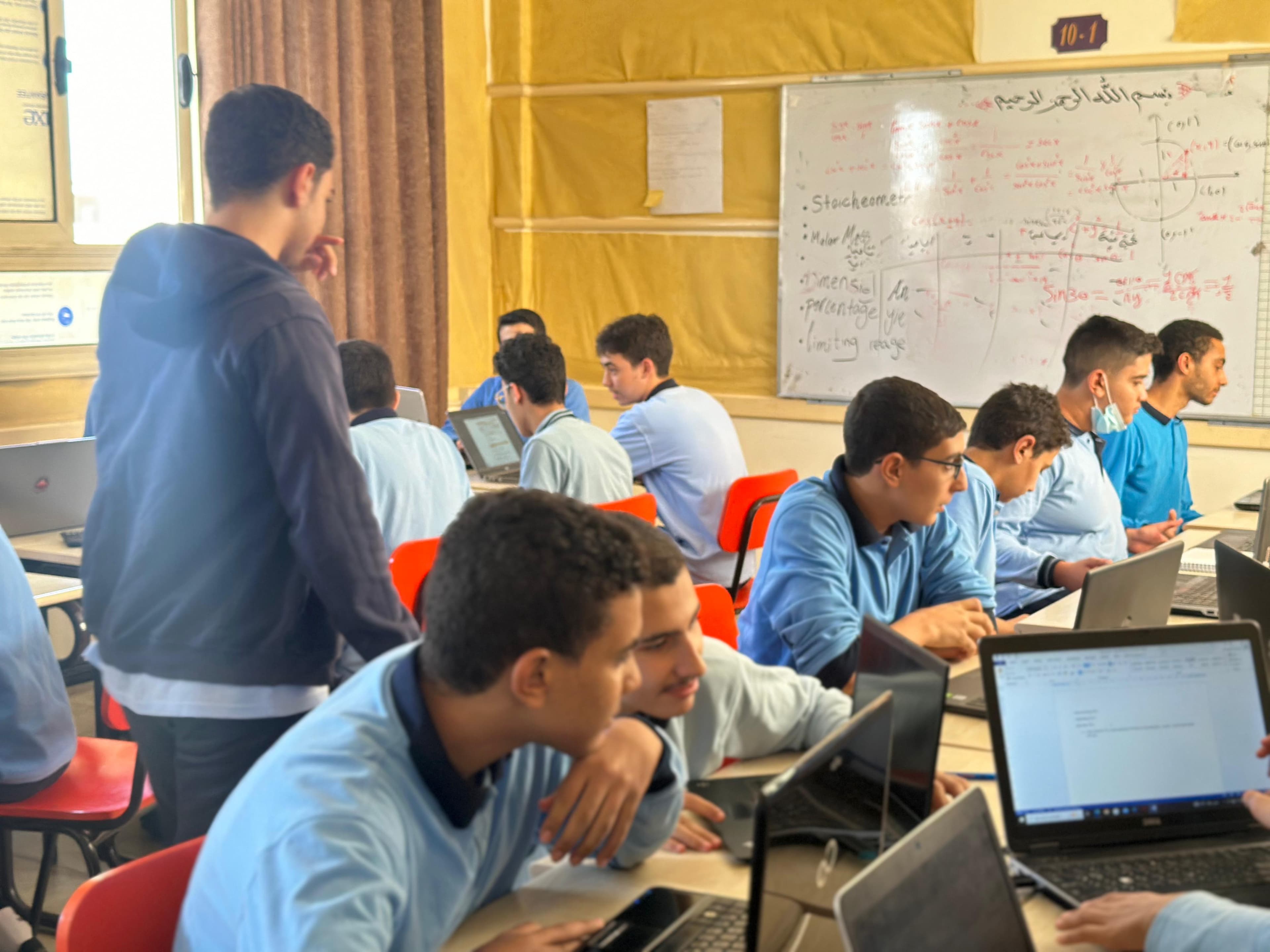
Active Classrooms
Interactive lessons keep every learner engaged, curious, and ready to experiment.
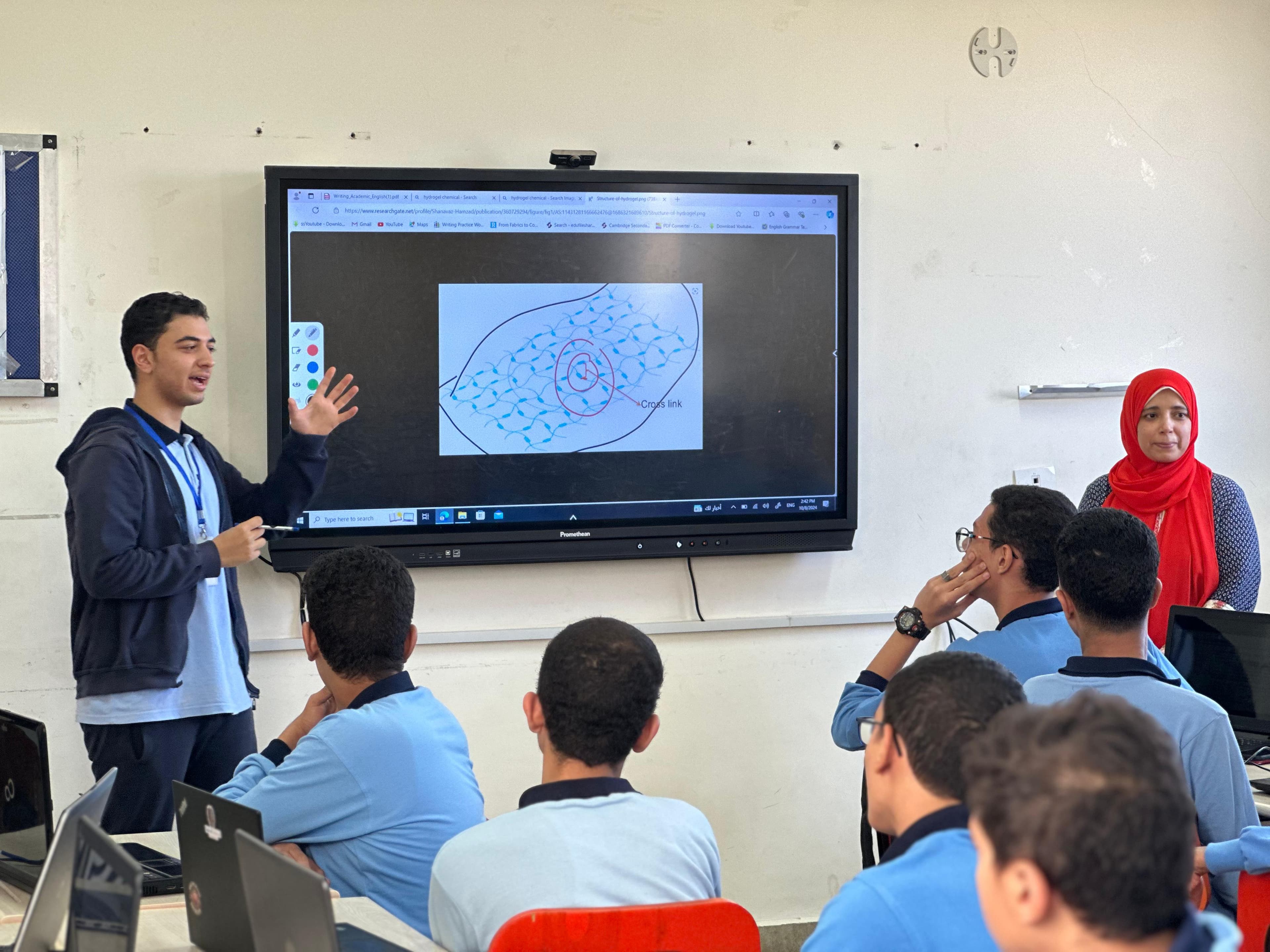
Team Collaboration
Students tackle projects together, blending critical thinking with creative problem-solving.
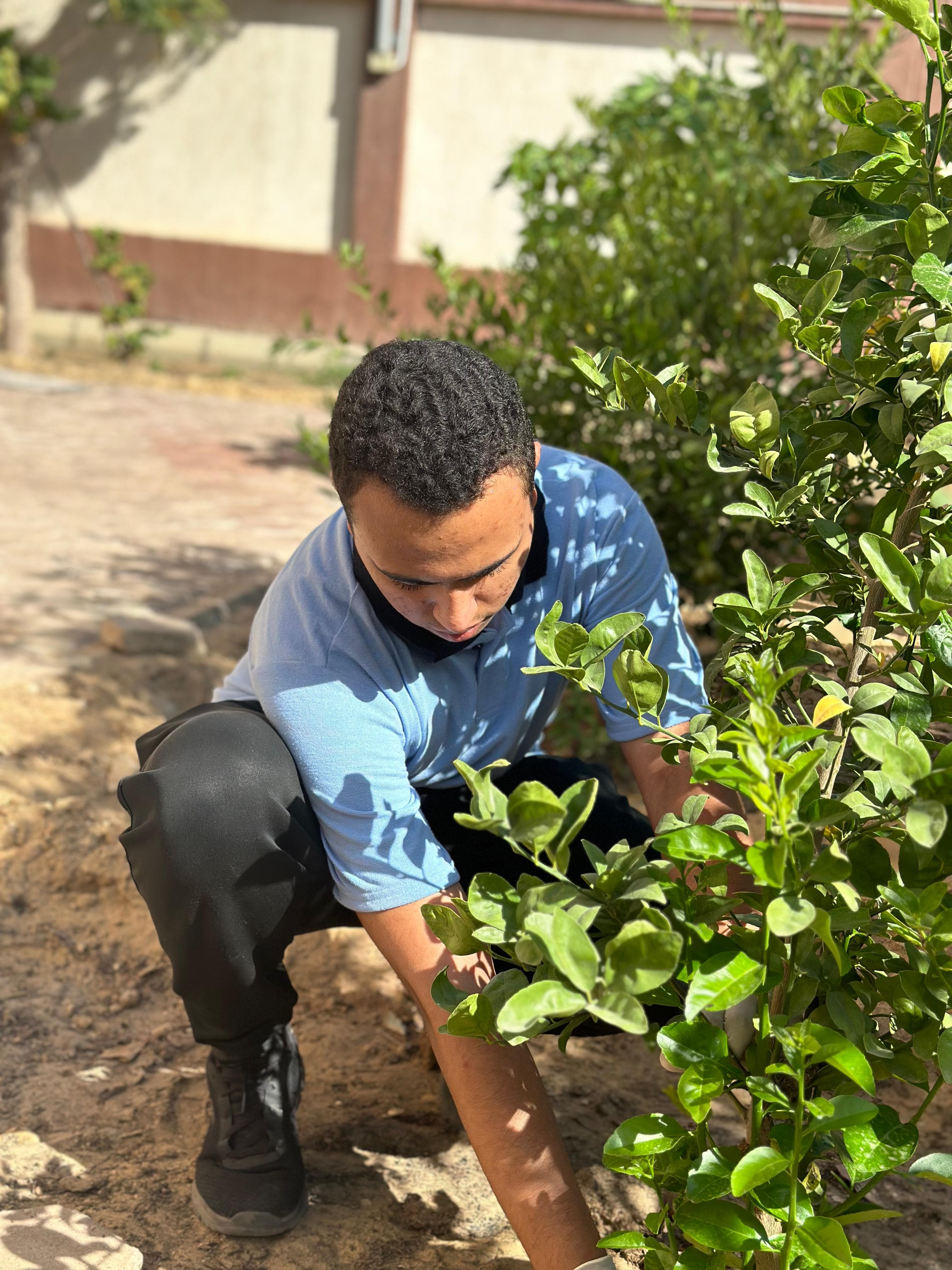
Community Engagement
Real-world initiatives cultivate empathy and civic responsibility beyond the classroom.
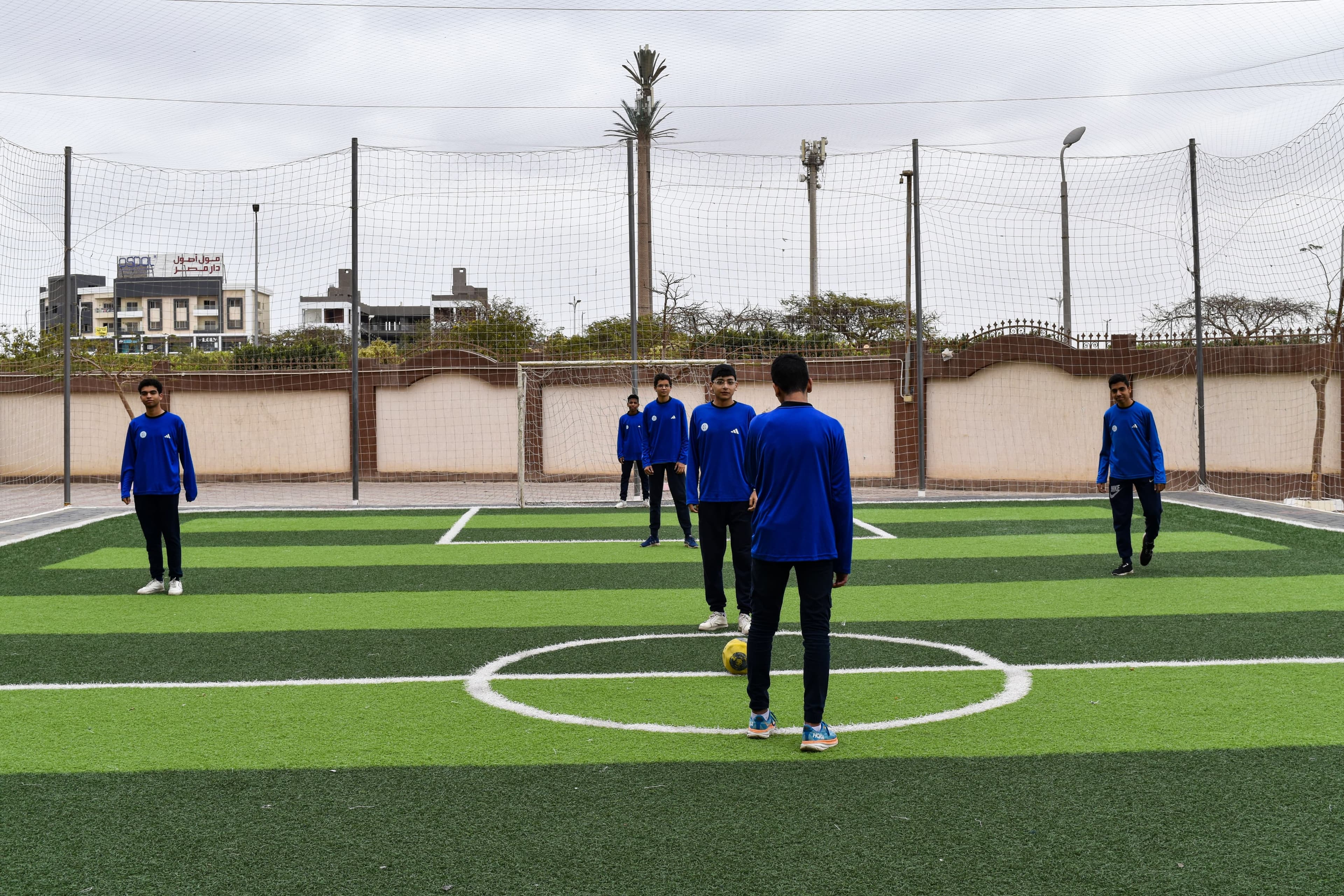
Vibrant Campus Life
A lively campus where downtime fosters friendship, balance, and resilience.
Curriculum
The curriculum emphasizes four key areas: sciences, humanities, arts, and sports. STEM fields of study include chemistry, physics, biology, geology, mechanics (applied mathematics), mathematics, and technology. Students mainly lead the class discussions in lectures regarding critical thinking and teamwork activities, applying their knowledge in labs under the supervision of leading experts.
On the humanities side, students take classes in Arabic, English, and Second Language (French or German). Social Studies, Civics, and Religion courses focus on promoting background diversity and open-mindedness. Students also need to attend art, library, or music to foster their artistic talents besides working on physical fitness in sports activities as a part of their preparation for athletic accomplishments and shaping up.
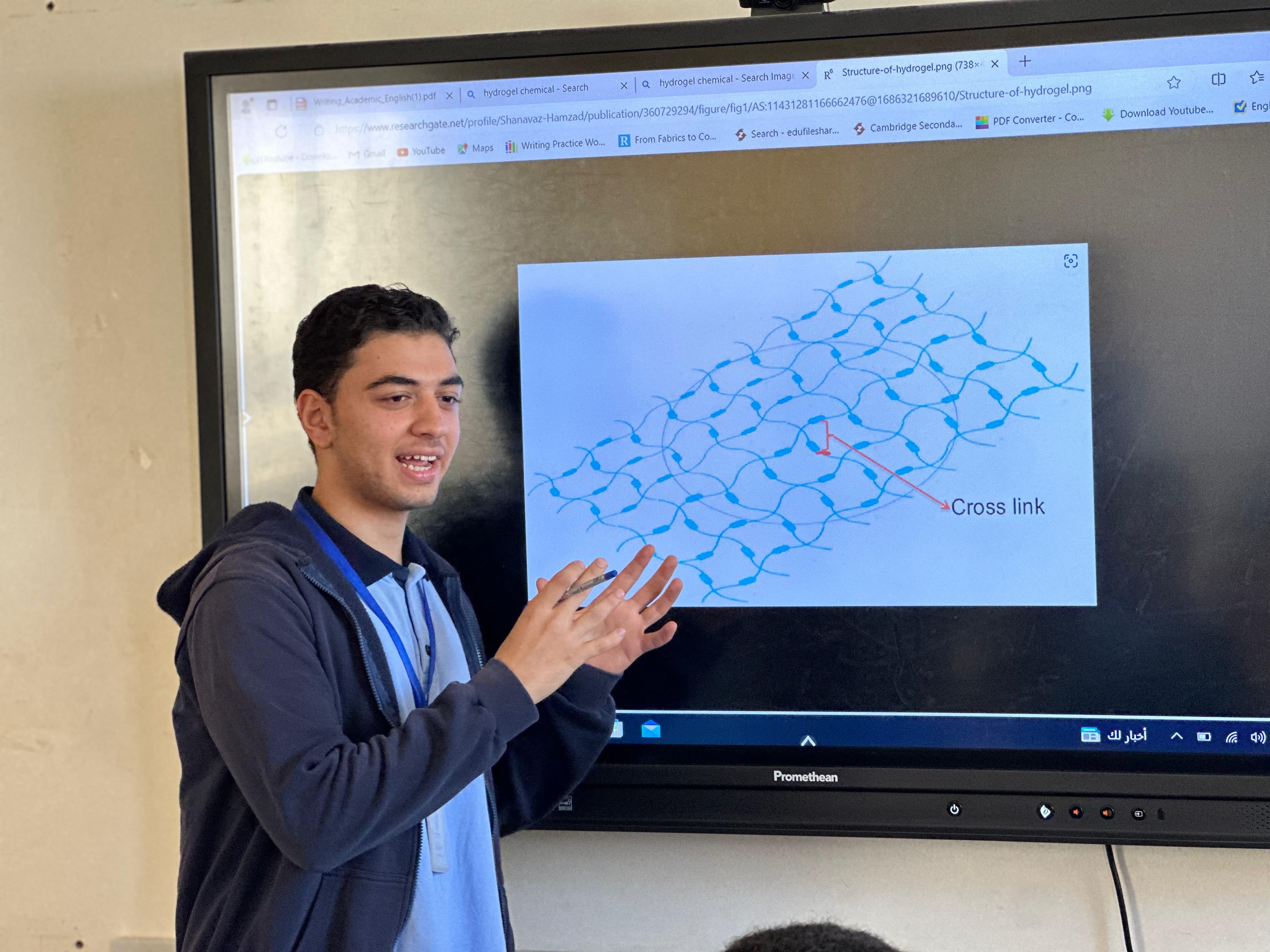
Prototypes
Capstone teams iterate on engineering builds and refine their research plans.
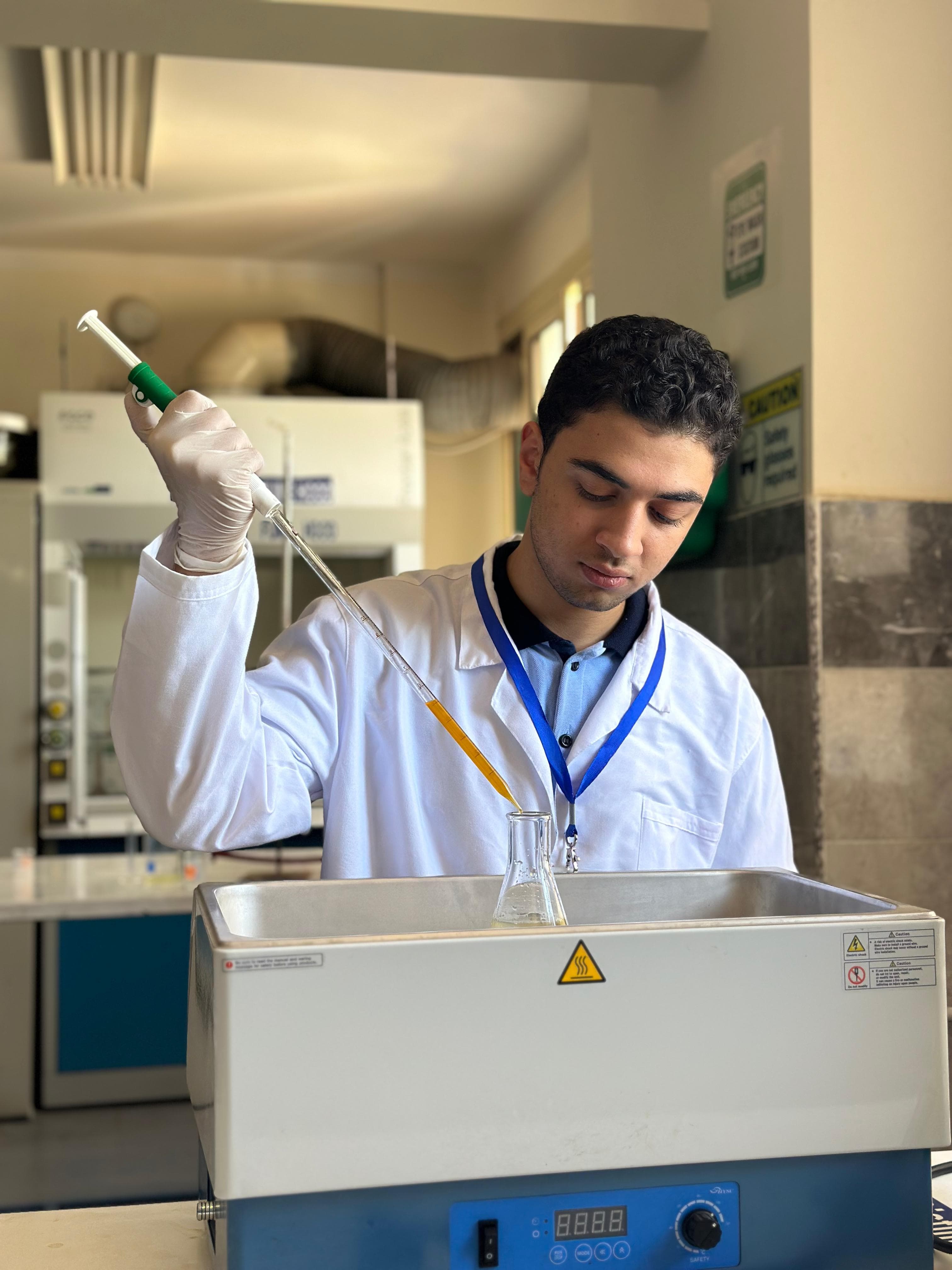
Lab Validation
Students run tests, gather data, and prepare evidence for final evaluations.
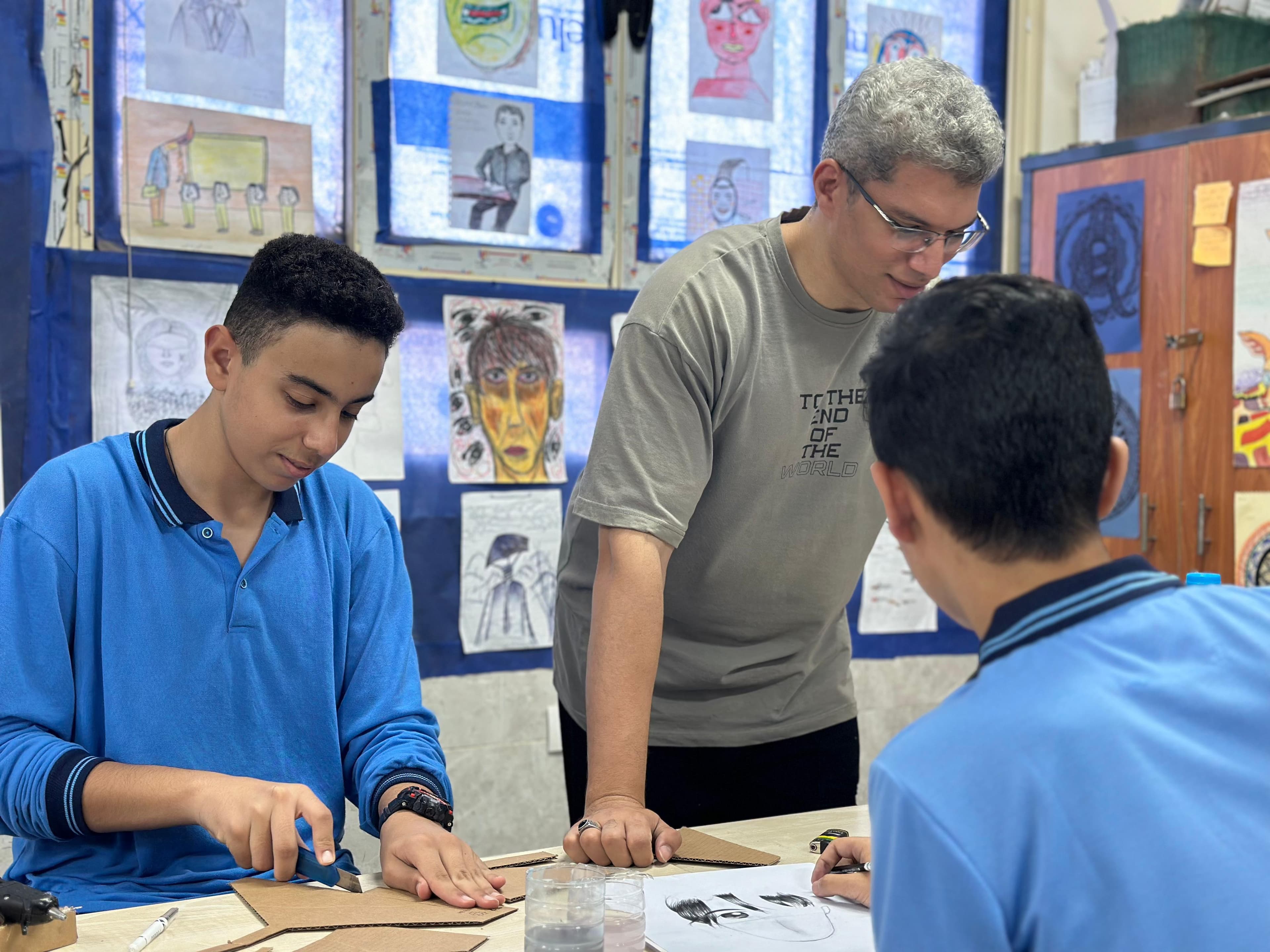
Design Exhibition
Creative artifacts and storytelling bring technical ideas to life for visitors.
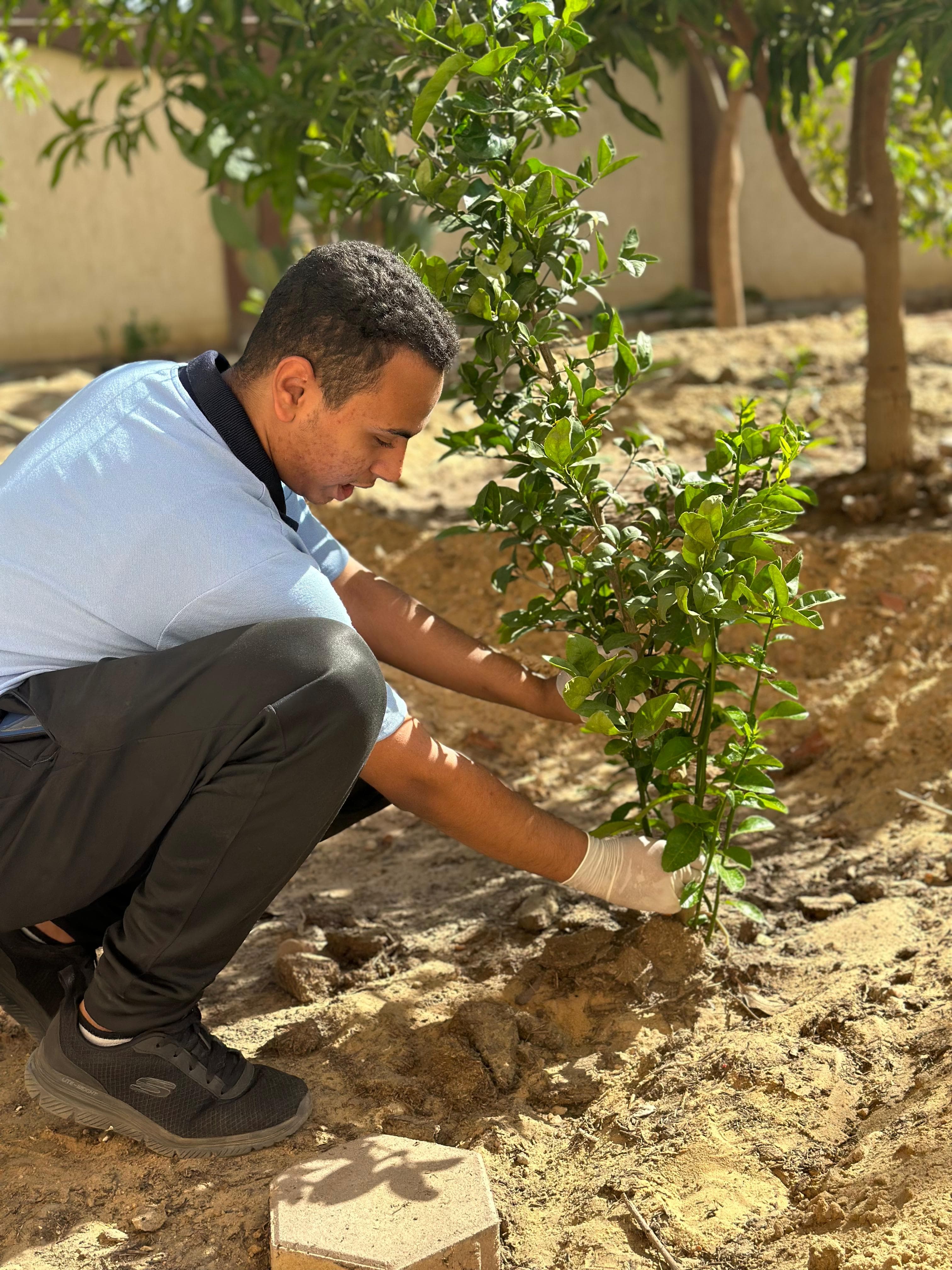
Field Impact
Community deployments transform concepts into sustainable, real-world outcomes.
Capstone Project
The school's project-based system combines curriculum with scientific projects, where students are expected to design and develop five engineering or experimental-based projects in five different semesters.
Students work in groups of five, four, or three members in a cooperative learning manner to solve one of the eleven grand challenges that Egypt and the world face, following the EDP (Engineering Design Process). These projects are assessed by top-notch university professors at the end of the semester during the ‘Capstone Exhibition.‘.
Capstone projects cultivate students’ research and engineering abilities, tackling real-life challenges in housing, energy systems and renewable resources, water availability and treatment, establishment of industrial basis, communication, agriculture, and food support.
Qualification
To qualify, applicants must either: achieve more than 98% in 9th Grade, or achieve more than 95% in 9th Grade, with 100% in one of Math, Science, or English.
After meeting these criteria, applicants take four nationwide tests—English, Math, Science, and IQ. The top 150 students based on these test scores are admitted.
Obour STEM School is a very selective school, and it only accepts approximately 150 students out of 30,000 applicants per year. The school seeks students who have passion and desire to learn science, technology, engineering, and mathematics while intending to be active participants in their community.
Grading System
Our honor courses push every learner to master STEM disciplines in depth and at speed. Instead of class ranking, students earn an unweighted GPA that reflects their course credit rigor. Grades 10 and 11 follow a letter-based scale, while grade 12 adopts a 100-point breakdown to prepare students for university admissions.